
RWA tokenization changes the game. It allows even an investor with a small capital to get access to shares in large assets—ranging from commercial real estate to corporate bonds. This is not just a trend but a fundamental transformation that’s already shaping the future of finance. In this article, I will analyze what RWA tokenization is, how it works, the opportunities and risks it carries, and why, in my opinion, entrepreneurs and leaders from Ukraine should pay special attention to it. If you’re looking for ways to protect your capital, increase its profitability, and gain transparent control over your investments—this article is for you.
What is RWA Tokenization
At BUSINESS SITE, we closely monitor the development of this technology. The tokenization process begins with choosing an asset to be digitized. Then, legal and financial due diligence is conducted: for instance, if it involves real estate, independent experts confirm its value and clarity of ownership rights. What follows is the creation of a digital “twin”—a blockchain token that secures an investor’s share.
Smart contracts play a key role here—automated programs that ensure transparency, security, and automatic execution of deal conditions. To acquire data from the external world (such as asset value or condition fulfillment), blockchain oracles are used. Once issued, tokens are placed on special platforms where investors can buy, sell, or trade them at any time.
Tokenization of Real World Assets: Examples and Opportunities
In one of our projects at BUSINESS SITE, we advised a client in the commercial real estate sector who was considering the possibility of tokenizing warehouse spaces. This would allow him to attract funding not just from banks but from private investors, providing them with a transparent digital ownership share and automated income payouts.
RWA tokenization is also actively applied in the securities sector, where tokenized bonds and stocks are issued, as well as in the commodity sector—for example, tokens backed by gold or grain. This expands investment opportunities, makes the market more liquid, and accessible to a broad audience.
How Will RWA Tokenization Change Financial Markets?

At BUSINESS SITE, we see that tokenization facilitates the integration of the traditional financial system with blockchain technologies, makes financial transactions more transparent, and reduces costs. This is especially relevant for Ukrainian entrepreneurs who value speed and transaction reliability. Moreover, tokenization enables the creation of new financial products that were previously unavailable to small and medium businesses.
DeFi and Asset Tokenization
Decentralized Finance (DeFi) and tokenization are two complementary trends. DeFi platforms allow the use of tokenized assets as collateral for loans, participate in yield farming, or exchange them for other digital assets without intermediaries. Cross-chain protocols provide interaction between different blockchains, increasing the flexibility and scalability of solutions.
We at BUSINESS SITE tested the integration of DeFi services for clients in the e-commerce sector to ensure instant settlements and automated income distribution among investors. This not only accelerates financial processes but also opens new opportunities for capital attraction, especially under traditional market instability.
How to Invest in Tokenized Assets?
Investing in tokenized assets is becoming increasingly popular among institutional and private investors. The most common platforms for tokenization work on the Ethereum blockchain, which provides a high level of security and compatibility with various smart contracts.
At BUSINESS SITE, we recommend clients to thoroughly analyze not only the profitability but also the liquidity of tokenized assets and the opportunities for their subsequent resale. For Ukrainian entrepreneurs, platforms integrated with local payment solutions (e.g., through PrivatBank, Monobank, or services like NovaPay) are particularly relevant, as they simplify fund inflow and outflow.
Benefits of Tokenization for Investors
- Transparency: All transactions are recorded on the blockchain and available for verification at any time.
- Cost reduction: Automation of processes through smart contracts minimizes intermediary and paperwork costs.
- Accessibility: Even with a small capital, one can acquire a share in a large asset, which was previously impossible.
- Flexibility: Tokens can be easily transferred, sold, or used as collateral.
- Tax deductions: Some platforms implement automated tax deductions through smart contracts, simplifying reporting.
Examples and Cases

In Ukraine, not only large banks like OKSY Bank are showing interest in tokenization, but also representatives of e-commerce, such as the online store “Acon,” are analyzing the possibilities of tokenizing goods inventory to increase working capital.
Real Estate Tokenization: What Is It and How Does It Work?
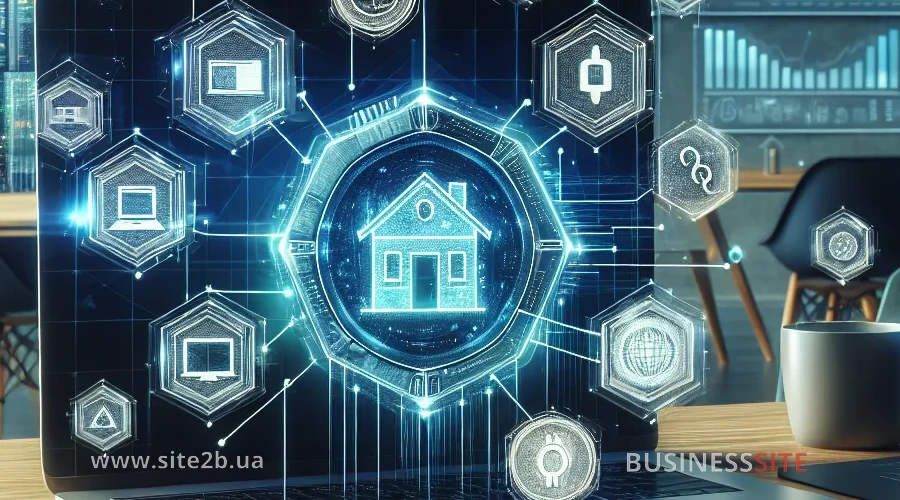
Tokenization of commercial real estate also allows for quick fundraising for large-scale projects, bypassing traditional banking restrictions and bureaucracy. This is especially relevant for the Ukrainian market, where access to long-term financing is often limited.
What Technologies Are Needed for Asset Tokenization?
For successful tokenization of real-world assets, modern technological solutions are needed:
- Smart contracts: automate the issuance, distribution, and management of tokens.
- Blockchain oracles: ensure the connection between the digital and real world by providing up-to-date data on asset value or condition fulfillment.
- Layer 2 solutions: speed up and reduce the cost of transactions, increasing platform scalability.
- Integration with payment systems: especially important for the Ukrainian market, where PrivatBank, Monobank, and local delivery services like “Nova Poshta” are popular.
At BUSINESS SITE, we have encountered the need to integrate tokenized platforms with existing client ERP systems to ensure seamless management of digital and real assets.
Tokenization Risks: What You Need to Know?
Despite the obvious benefits, RWA tokenization also carries certain risks:
- Regulatory constraints: legislation in the digital asset area is still being formed, and it’s important to monitor changes.
- Technical risks: vulnerabilities in smart contracts can lead to loss of funds.
- Blockchain transparency: on one hand, it’s a plus, but on the other—it requires special attention to personal data protection.
- Market volatility: the value of tokenized assets can fluctuate, especially if they are traded on open platforms.
- Stablecoins: often used for transactions, but their stability depends on the issuer’s reliability.
Conclusion

If you are considering new growth opportunities, want to make your assets liquid and transparent—now is the time to explore the potential of RWA tokenization. Our team’s experience and real client cases prove: the future of investments has already arrived, and it is much closer than it seems.
Rate the article:





