
Can this metric be managed? How to measure it and, most importantly, improve it so that the site works for retention, loyalty and profit growth, rather than simply ‘draining’ the traffic budget?
What is site stickiness and why it matters to businesses

For example, for a large online store that BUSINESS SITE specialists worked with, optimizing stickiness increased the share of repeat purchases by 27% over a year. In a pharmaceutical project, implementing retention mechanics reduced the bounce rate by 18% and increased the average session duration by one and a half times.
Site stickiness directly affects:
- User retention on the site and return frequency (Return Frequency)
- Conversion metrics (Conversion Rate) and ROI from digital channels
- SEO visibility: search engines take behavioral metrics (Pages per Session, Bounce Rate, Average Session Duration) into account as a signal of quality
- Site loyalty: forming the habit of returning and recommending
Key factors influencing site stickiness

Site stickiness is defined by the ability to retain visitors, encouraging them to stay and return. To improve this metric, it is important to understand the key factors that directly affect user engagement and the time they spend on the site. Let’s look at the main ones, starting with the quality and relevance of content.
To achieve maximum site stickiness, you need to ensure high-quality and relevant content that will interest users and encourage them to stay longer. Let’s examine this key aspect in more detail.
Content quality and relevance
Content: it’s the core of stickiness. A user returns to places where they find value: expert articles, video tutorials, fresh reviews, unique collections. When we launched a corporate blog for one of our B2B clients, regular updates and deep topic analysis increased average time on site by 2.3 times.
I recommend using a content strategy based on analysis of search queries, audience pain points and competitor analysis. Interactive formats (tests, calculators, surveys) boost engagement and return rates.
Convenient navigation and website UX
Intuitive navigation, a sticky header, a logical category structure and fast search — all of these are the foundation of stickiness. In one case for a construction company, implementing sticky navigation and optimizing internal links increased the number of pages viewed per session by 35%.
Site loading speed and technical optimization
Speed, a critical retention factor. If a site loads longer than 2–3 seconds, up to 40% of users leave without waiting for the first screen. Use AMP, image optimization, caching and a CDN.
Mobile responsiveness
Over 70% of traffic in Ukrainian niches is mobile. Responsive design, optimization for touch interfaces and fast mobile pages are mandatory conditions for retention.
After implementing mobile adaptation for a laboratory service we worked with, the share of returning users from mobile devices increased by 19%.
Interactivity and online communities
Forums, chats, comments, surveys, gamification (sticky factor) — all of these create a sense of belonging and stimulate return visits. For a travel project, launching a reviews and Q&A section increased DAU/MAU by 14% and raised the average session duration.
Content personalization
Machine learning and recommendation algorithms make it possible to show users relevant products, articles and services. Personalized recommendations increase CTR and engagement.
In the case of an online store, implementing recommendation blocks (‘You may like’, ‘Similar products’) increased pages per session by 28% and average order value by 17%.
Reviews and social proof
Reviews, ratings, case studies and social media activity build trust and encourage returns. Adding a reviews block and integrating with Instagram for one of our clients increased the share of returning users by 13%.
Regular content updates
Frequent publications, timely news, series of materials — drivers of repeat visits. For the bank whose site we supported, launching a news feed and weekly analytical reviews increased user return frequency by 21%.
How to increase website stickiness: methods and strategies

Чтобы эффективно повысить липкость сайта, необходимо применять комплексные методы и стратегии, которые помогут удержать внимание посетителей и стимулировать их возвращение. Начать стоит с тщательного анализа и аудита конкурентов, чтобы выявить лучшие практики и точки роста для вашего ресурса.
Competitor analysis and audit
Любое улучшение начинается с диагностики. Использую аудит на базе ga4, Hotjar, тепловых карт и конкурентного анализа. Это позволяет выявить слабые места: страницы с высоким bounce rate, неработающие сценарии, недостаточно вовлекающий контент.
Optimization of website navigation and internal linking
Sticky header, breadcrumbs, a logical menu structure, internal links (“Similar products”, “Read also”) – all of this increases depth of browsing and reduces the bounce rate.
Personalization and recommendations
Инструменты персонализации, от простых виджетов до сложных алгоритмов на базе машинного обучения: позволяют формировать индивидуальные сценарии.
Implementing interactive elements on the website
Чаты, комментарии, опросы, конкурсы, онлайн-мероприятия: всё это формирует сообщество и стимулирует вовлечённость.
В кейсе туристического агентства запуск онлайн-чата и раздела с пользовательскими историями увеличил DAU/MAU на 12%.
Content strategy update
План публикаций, серии материалов, эксклюзивный контент, гайды, видео, всё это удерживает внимание и формирует привычку возвращаться.
Для интернет-магазина внедрение еженедельных подборок и видеообзоров повысило среднее время на сайте на 31%.
Analytics tools to improve SEO
Google Analytics 4, Hotjar, тепловые карты, session recordings, A/B-тесты – обязательный арсенал для анализа и оптимизации.
How to measure site stickiness: metrics and tools
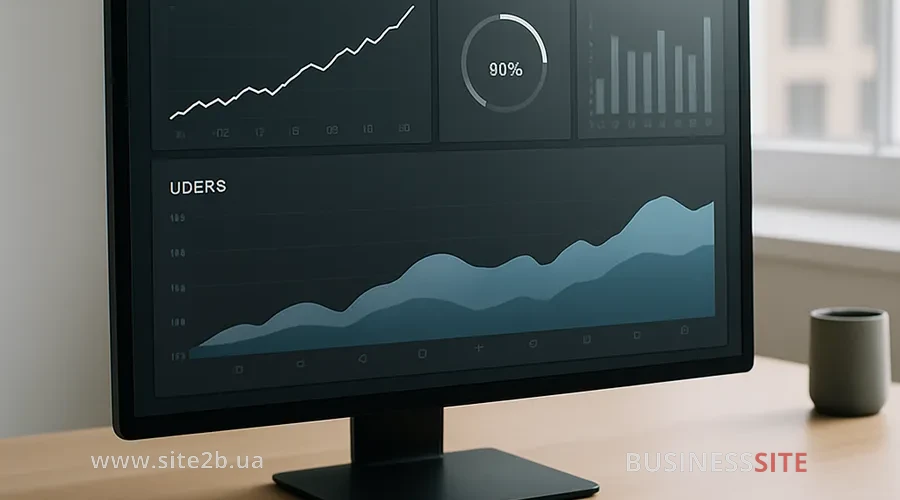
Site stickiness reflects a resource’s ability to retain visitors’ attention and motivate them to return, and an objective assessment requires clear metrics and tools. Analyzing these indicators makes it possible to understand how much the site’s content and interface engage the audience and to identify growth points for increasing user loyalty and promotion effectiveness. In the next section we’ll look at which metrics measure stickiness and which tools can be used to collect and analyze the data.
Main stickiness metrics
- Bounce Rate, the share of users who left the site after viewing a single page. The lower it is, the higher the stickiness.
- Average Session Duration, reflects engagement and interest in the content.
- Pages per Session – shows the depth of interaction.
- Returning Users, Return Frequency: a key indicator of loyalty.
- Average Time on Page, important for content and service sites.
- Click-through rate (CTR) – the clickability of internal elements.
- DAU/MAU – the ratio of daily to monthly active users, an indicator of the “habit” of using the site.
How to analyze user behavior?
- Google Analytics 4: the main tool for analyzing stickiness, tracking user journeys, audience segmentation, and building funnels.
- Hotjar – heatmaps, session recordings, surveys to identify UX bottlenecks.
- Session recordings – allow you to see real behavioral scenarios.
- A/B testing: helps validate hypotheses for improving stickiness.
Decision making after data analysis
Analytics: not an end in itself, but a tool for identifying growth points. At BUSINESS SITE we build dashboards with the main engagement KPIs, regularly run sessions to analyze user behavior, and scale successful solutions.
Sticky sites: retention mechanics

Creating sticky sites is the art of retaining users through effective mechanics that encourage repeat use and monetization. Retention mechanics play a key role in forming user habits, which ultimately lead to loyalty and increased revenue. In the context of YouTube seo, user retention is important for promoting videos in 2025, as repeat views and engagement directly affect search rankings.
YouTube SEO: how to promote videos in 2025
Personalized recommendations, autoplay, an active community, push notifications – all of this creates a high sticky factor. The user returns for new content and a sense of belonging.
Facebook: how to optimize a page for SEO?
News feed, groups, events, instant notifications, likes and comments — mechanics that make the platform one of the stickiest in the world.
Amazon SEO in 2025
Recommendations based on purchase history, reviews, loyalty programs, personalized promotions.
Netflix, an overview of the service and movie catalog
Recommendation algorithms, autoplay of episodes, exclusive content, personalized selections.
Reddit and Medium: SEO comparison
Communities, voting, personalized selections, high level of content quality.
Conclusion on the site’s SEO optimization
Site stickiness – is not a one-time setting, but a comprehensive strategy that combines UX, content, analytics, personalization and community engagement.
I recommend starting with a diagnosis of the site’s current state, implementing at least a few methods to boost stickiness, measuring the results and scaling what works.
Stickiness is capital that works for your business every day.
Rate the article:





