
Strategies for Promoting a Logistics Company in 2025

Logistics digitalization is no longer an option but a standard. Implementing TMS (Transportation Management Systems), warehouse process automation, leveraging big data analytics, and artificial intelligence not only accelerates operations but also forecasts demand, optimizes routes, and reduces costs.
Integration of innovations to boost sales: For example, IoT devices ensure transparency at every delivery stage, and unmanned technologies (drones, autonomous vehicles) are beginning to be used for the last mile. BUSINESS SITE’s practice shows: companies that first adopt such solutions quickly gain customer trust and increase LTV (Lifetime Value).
Customer orientation and omnichannel strategies. In 2025, customers expect not just delivery but a full service: real-time tracking, personalized notifications, flexible payment options (e.g., via PrivaBank or MonoBank), and integration with marketplaces (Prom.ua, Rozetka). Such approaches create competitive advantages and increase sales in logistics.
Increasing Sales in Logistics
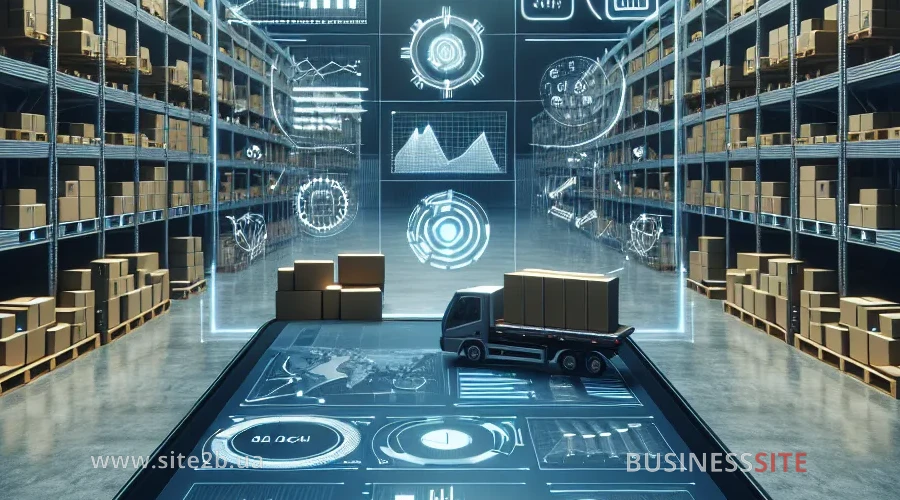
- Optimization of logistics processes: Introducing digital supply chain management tools (SCM), automating accounting and document flow, integrating ERP systems with external delivery services (e.g., Nova Poshta).
- Effective marketing strategies for logistics: Using personalized offers, launching targeted advertising campaigns, managing reputation on marketplaces and B2B platforms. BUSINESS SITE implemented projects where introducing end-to-end analytics and marketing automation led to a conversion increase of 18–25% in the first few months.
- Data-oriented approaches: Big data analytics helps identify bottlenecks, forecast demand peaks, and optimize resource loading. This not only reduces costs but directly impacts increased sales in logistics.
Implementing Technology in Logistics
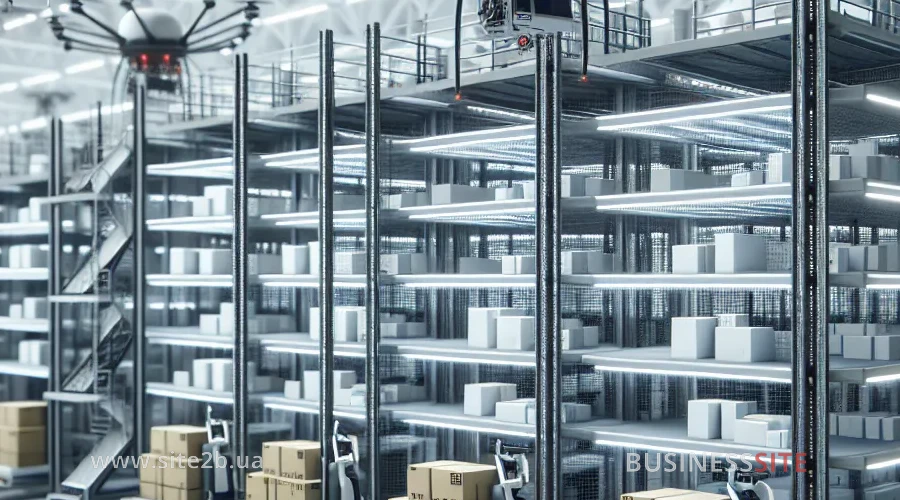
- Process audit: Assess current business processes, identify “bottlenecks”—whether it’s manual data entry, lack of warehouse transparency, or inefficient route management.
- Goal setting: Clearly define what you want to achieve: reduced delivery times, cost reduction, NPS (Net Promoter Score) growth, or increased LTV.
- Technology selection: For optimizing logistics processes in 2025, the most effective solutions are:
- Artificial intelligence for demand forecasting and route optimization.
- IoT devices for real-time cargo tracking.
- Warehouse automation and ERP integration to minimize errors and speed up order processing.
- Piloting and scaling: Launch a pilot project in one area, measure KPIs, adjust processes, and scale successful solutions.
- Staff training: Implementing new technologies requires investment in training—this reduces resistance to change and increases return on investment.
ROI – How to Evaluate Marketing Investment Efficiency

- Financial metrics: ROI is calculated as the ratio of additional profit to project investment. It is essential to consider not only direct revenues but also indirect effects—cost reduction, decrease in returns, growth in repeat orders.
- KPI and efficiency metrics: Besides ROI, use metrics like SLA (service level agreement), average delivery time, order error rate, and customer satisfaction levels (CSAT, NPS).
- Big data analytics: Modern BI systems allow real-time tracking of metrics, identifying trends, and making informed decisions. In one BUSINESS SITE project, implementing dashboards helped reduce the client’s logistics costs by 22% through more accurate route planning and inventory management.
Scaling the Logistics Business

- Supply chain management: Integration with suppliers and customers through cloud platforms, automating document flow, implementing real-time cargo tracking systems.
- Omnichannel strategies: Combining online and offline channels, integration with marketplaces (Prom.ua, Rozetka), launching proprietary mobile applications for customers.
- Flexible scaling model: Using 3PL and 4PL providers to quickly expand geographical presence without significant capital investments. This approach allows for swift market testing and risk minimization.
Smart Contracts and Blockchain: Transparency and Security in Logistics

- Ensuring commitment fulfillment: Smart contracts automatically execute deal terms upon specified events, reducing disputes and delays.
- Providing supply chain transparency: Blockchain records every action with the cargo, making the delivery history available to all process participants.
- Reducing operational risks: Eliminating the human factor and automating calculations enhance the reliability of operations.
Last Mile Delivery: How to Improve Customer Service

- Personalization of the customer experience: Using mobile apps and chatbots for customer notifications, flexible delivery options (evening, express, pickup at Nova Poshta branches).
- Sustainable supply chains: Adopting eco-friendly solutions (electric vehicles, route optimization to reduce emissions), which are increasingly important for corporate clients.
- Integration with local services: Partnering with marketplaces and payment systems (e.g., MonoBank, PrivaBank) simplifies payments and returns, increasing trust in the service.
The Future of the Logistics Business and Call to Action

Key Conclusions for Entrepreneurs
- Increasing sales in logistics requires a focus on digitalization, process automation, and using data analytics for decision-making.
- Logistics strategies for 2025 are built on flexibility, integration of innovations (AI, IoT, blockchain), and customer orientation.
- Innovations in logistics for boosting sales are not just buzzwords but real tools: implementing TMS, warehouse automation, integration with marketplaces, and personalizing the last mile.
- Scaling a logistics business is achievable through omnichannel strategies, using cloud solutions, and partnering with 3PL/4PL providers.
- ROI in logistics companies is evaluated not only by direct revenues but also by cost reductions, increased loyalty, and repeat orders.
Rate the article:





