
I’m convinced: the key is being systematic and honest. In this article I’ll lay out, step by step, how to apply urgency and scarcity triggers, timers and badges in digital‑funnels so they work to grow sales and build brand trust simultaneously. If you want to increase conversion without sacrificing reputation and LTV, I recommend reading to the end — there will be a practical framework, examples and an implementation roadmap that saves time and reduces the risk of mistakes.
Scarcity effect and FOMO in marketing
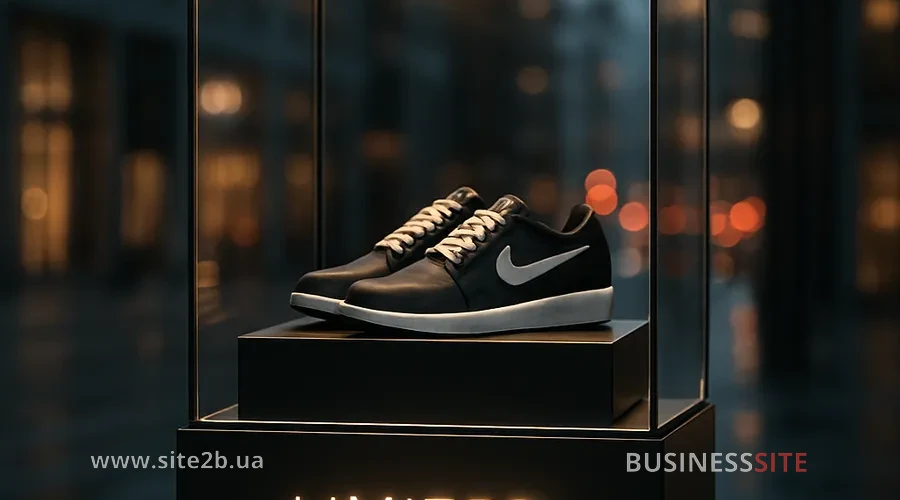
Psychology of scarcity and urgency: why it works
- Cialdini’s scarcity principle. People assign higher value to what seems limited. If access to an offer is limited by time or quantity, it is automatically perceived as more valuable.
- Loss aversion. Losing a potential benefit hurts more psychologically than not receiving it. Therefore, phrases like “you’ll manage to grab the discount” and “you will miss the opportunity” often convert better than neutral ones.
- FOMO (Fear of Missing Out). The fear of missing out increases when a person sees that others have already taken advantage of the offer: reviews, “already bought today”, the number of people on the page.
- Anchored pricing. When we show the old price next to a timer and a time-limited new price, the brain fixes the “anchor” and perceives the offer as more advantageous.
Important to understand: the psychology of decision-making on the site changes not because of the timer itself, but because of the changed perception of risk. The user feels that postponing the decision increases their potential loss (loss of discount, bonus, a place in the flow), and this shifts them toward action.
FOMO marketing vs. urgency marketing: differences
- Scarcity marketing. Limited quantity: “5 spots left”, “run of 100 copies”, “we sell only 50 licenses at this price”. The key driver here is rarity and the risk of “not getting it”.
- Urgency marketing. Limited time: “only until Sunday”, “price valid for 24 hours”, “early price until 23:59”. The driver here is the deadline.
- FOMO, an emotional umbrella that unites both approaches and is amplified by social proof: ratings, reviews, “how many people are viewing the product right now”.
- if the offer is essentially mass (for example, a promo code in an online store), urgency on the site works better: a countdown to the end of the promotion, banners “X hours left”.
- if the offer is logically limited (courses with a limited number of seats, a quota of slots for a clinic examination, a limited batch of building materials), scarcity marketing gets priority: real quantity limits plus mild urgency.
Where the scarcity effect works best
- B2C e‑commerce. Product cards, sales, seasonal collections, gift sets. Real-time stock indicators and banners showing remaining stock work well here.
- Online bookings and services. For example, appointment slots for doctors, tour bookings, consultation spots. Slot/schedule limitations, a natural scarcity that clients readily accept.
- Subscription models and SaaS. Time-limited onboarding conditions, special tariffs for the first X customers, limits on spots per plan.
- Info products and webinars. Limited seats in a session, deadlines for access to recordings, a one‑time offer on an upsell immediately after registration.
- Cold traffic. Mild urgency, bonuses for quick contact (“gift when ordering by…”), FOMO through social proof.
- Warm-up and lead magnets. Timers for webinars, limited-time access to bonus materials.
- Main offer and upsells. Clear deadlines, limits on seats/batches, a one‑time offer immediately after purchase.
Effect of scarcity and urgency on the site

How to use the scarcity effect on a website and landing page:
Countdown to the end of a promotion and deadlines
- Fixed date deadline. Example: «promotion until the 15th», «price valid until the end of the month». This is convenient for seasonal promotions, sales, Black Friday, weekend deals.
- Time-of-day deadline. Example: «until the end of the day», «discount until 23:59». This model works well in combination with massive mailings and advertising on day X.
- Personal deadlines (evergreen). The timer starts from an event: first visit, click on a button, registration. Each user has their own deadline, but within a transparent logic (for example, 48 hours after registration, 7 days after the first purchase).
Remaining stock and limited offers
- Actual stock. Badges «in stock: 4 pcs», «2 rooms left», indicators with a progress bar. It’s important that the data is pulled from a real warehouse system and updated in near real-time.
- Limited offers. For example, «50 sets at a special price», «10 spots on the VIP plan». Here the emphasis is not on stock but on the limit of favorable conditions.
- The “how many we’ll sell” model. Instead of showing «N left», we honestly say: «ready to ship up to 100 sets at this price». This approach reduces the feeling of manipulation and aligns with honest scarcity marketing.
Scarcity and social proof in marketing
- countdown timer to the end of the promotion;
- badge «X spots/products left»;
- rating and reviews;
- real‑time stock indicators and demand indicators;
- note «bought today: N times».
Key point: every element must look believable. If we simultaneously write «last chance» and show thousands of reviews, while the promotion repeats every week, trust gradually erodes.
Countdown timer and sales badges

Marketing timers: types and placement
- Landing pages and promotional landers. The main timer on the first screen, duplicated in the offer block and next to CTA buttons.
- Product cards. Small sales timers and badges next to the price or the variations selector.
- Sticky bars and popups. To remind about a time limit: «time left until the end of the promotion…».
- Checkout, cart. Gentle urgency: «the item is reserved for you for 15 minutes» or «promotion terms valid until…».
- User account, online services, webinar funnels. Timers until start, until access to the recording ends, until a special rate closes.
Design of scarcity notifications for the website
- Contrast, but within the brand style. The timer and urgency badges stand out by color and icon, but do not conflict with the brand guide.
- Clear hierarchy. In one screen area: a single main focus. If there is already a strong offer on the first screen, it’s better to place the timer slightly below or in a fixed bar.
- Minimalist text. Short microcopies: «until the end of the promotion», «spots left», «price will increase in». Extra information reduces the sense of urgency.
- Responsiveness. On mobile devices timers and banners often “eat” valuable screen space. In BUSINESS SITE projects we always check how scarcity badges look on smartphones and, if necessary, change the format (for example, a sticky bar instead of a large popup).
Timer design: how to maintain trust in the deadline
- Consistency across all channels (cross-channel consistency). If the promotion is until the 15th on the site, the same dates should be in emails and in advertising.
- Predictable logic of evergreen funnels. If we use personal deadlines for each user, we clearly state this: «48 hours after registration», «special terms for 7 days after the first order».
- No “reset” on refresh. The timer should not start anew on each visit from the same device/account.
- A clear next step. After the deadline the conditions actually change: the price increases, the bonus disappears, access to part of the content is closed.
Timers and banners to increase website conversion
To increase conversion on a website, it’s not enough to simply add a nice design — it’s important to properly integrate practical scenarios for using timers and banners into the funnel that boost the motivation to act. Below we will look at how to use them to create a sense of urgency on a landing page and in the sales funnel without overloading the user or causing distrust.
A sense of urgency on the landing page and in the sales funnel
- Lead magnets and tripwires. “Download the checklist for free within 24 hours after registration”, “special price on the first order for 48 hours”.
- Main offer. Deadlines in the sales funnel: price X until a certain date, then a price increase according to a clear scale.
- Upsells and cross-sells. One-time offer immediately after purchase: “upgraded package at a special price for 20 minutes”.
Urgent offers via email and on the website.
- On the site, dynamic banners: “today is the last day”, a timer with hours and minutes.
- In email — a series: 24 hours, 6 hours, 1 hour before the end. At the same time, in the emails it’s important not to repeat the same phrase, but to increase value: case studies, testimonials, answers to objections.
The scarcity effect in subscriptions and SaaS
- Limited onboarding window. For example, a plan with extended functionality is available only during the onboarding period.
- Time-limited prices. Price X applies for N days from registration, then the standard rate applies.
- Limited spots in a plan. For premium plans: “only 20 companies at this level of support”.
Real and Fake Deadlines in FOMO Marketing
Real vs fake deadlines in FOMO marketing are not only about ‘here and now’ conversion, but also about ethics, legal compliance, and long-term audience trust. Where you draw the line between artificial and real scarcity determines your legal risks, brand reputation, and whether customers will take your deadlines seriously.
Scarcity in Marketing: Where Is the Line Drawn
Scarcity and Urgency: Risks and Ethics
- check formulations with a lawyer when it comes to mass campaigns;
- avoid firm statements if the data are dynamic and depend on external supplies;
- use constructions like «we planned to sell N sets at this price» instead of «N left» when stock levels are unknown in advance.
Audience Burnout: How to Avoid Urgency
- customers respond less and less to «last chance»;
- the share of purchases made only during promotions increases;
- unsubscribes and complaints about «promo spam» increase;
- conversion without discounts drops noticeably.
Timers and badges: technical implementation and CRM
Which events should be triggered to start the timer?
- First visit. The timer starts on the first visit to the page. Use cookies and/or a user ID to persist state.
- Click. The timer is triggered by a click on a key element: “get offer”, “book”. Suitable for personal deadlines in automated sales funnels.
- Signup/registration. A classic evergreen funnel: the user gets N days to use special terms after registration.
Synchronizing timers across sites and devices
- the deadline logic is stored on the server;
- frontend timers fetch the final date/time from there;
- email services receive the same date via integration;
- when switching devices the user sees the same deadline.
Linking timers with stock levels and quotas
- a warehouse system and real‑time stock indicators;
- a CRM with access quotas (for example, the number of consultations per month);
- logistics and production capacity.
CRO strategy using timers: increasing sales
KPIs of urgency and scarcity triggers
- conversion to order/lead;
- CTR of banners and urgency badges;
- average order value;
- purchase frequency;
- LTV;
- churn and complaint metrics;
- support load (inquiries about promotions, misunderstanding of terms).
How to calculate the ROI of timers and badges?
- record base conversion and revenue on a sample without urgency triggers;
- run an experiment with timers and limited offers;
- calculate incremental revenue and changes in margin;
- subtract the cost of implementing and supporting the mechanism (development, integrations, A/B tests).
A/B testing of timers and badges on the site
- presence vs absence of a timer/badge;
- different wordings of the deadline and scarcity;
- colors and visual accents;
- placement (first screen, next to the price, in the cart);
- formats (sticky bar, inline badge, popup).
Honest deadlines and timers in the product
Honest deadlines in automated funnels and webinars
- at each stage of the funnel (registration, viewing, purchase) there is a reasonable timeframe;
- deadlines are clearly indicated and communicated in emails, on the website, and in the personal account;
- evergreen funnels use personal deadlines, but with a transparent logic (“X days from the moment…”).
Audience segmentation for different product lines
- New vs returning customers. For new customers it’s appropriate to offer time‑limited bonuses; for returning customers, quantitative limits and exclusive terms.
- Premium vs mass segment. In premium I emphasize a limited number of spots/partnerships; in the mass segment, time‑limited promotions.
- Different product lines. For products with a long decision‑making cycle, soft urgency and real‑time demand indicators work better than aggressive timers.
Roadmap for implementing timers
- Audit. We identify current touchpoints where scarcity is appropriate: key landing pages, product pages, checkout, emails.
- Pilot. We choose 1–2 scenarios with the highest potential (for example, the final steps of the funnel) and launch honest limited offers with timers.
- analytics and adjustment. We look at conversion, LTV, complaints, audience behavior.
- Expansion. We scale working patterns to other product lines, taking into account seasonality and triggers (sales, holidays, peak demand periods).
- Standardization. We formalize the honest-deadline policy, copy rules, design patterns, and technical requirements.
When countdown timers reduce conversions and damage the brand
Signs that urgency is working against you
- the number of customers writing to support saying “the promotion keeps repeating” is increasing;
- comments on social media about “never-ending last chances” appear;
- sales during non-promotion periods drop sharply;
- new customers increasingly wait for the next discount instead of purchasing at the base price.
How to shift from FOMO-driven growth to sustainable growth
- revising the communication strategy;
- strengthening brand attributes not related to time-limited value;
- creating unique offers backed by real quality advantages and experience.
Rate the article:





